Welcome to When The Music Stops!
If you have any questions, comments, or concerns, please don't hesitate to contact a staff member!
|
|
||||||||||
|
|
|
|
||||||||||
|
|
||||||||||
|
|

|
|
||||||||||
|
|
||||||||||
|
|
|
|
||||||||||
|
|
||||||||||
|
|
|
|
||||||||||
|
|
|
|
||||||||||
|
|
||||||||||
|

|
|
||||||||||
|
|
|
|
Welcome, traveler.

|
|
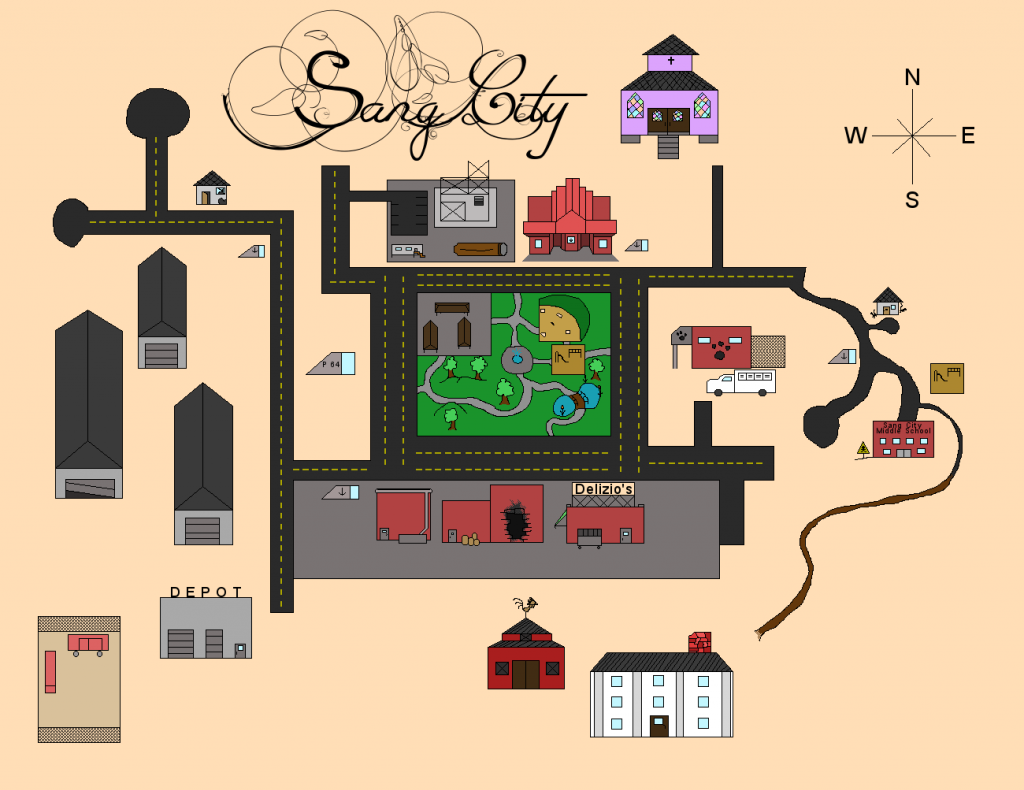
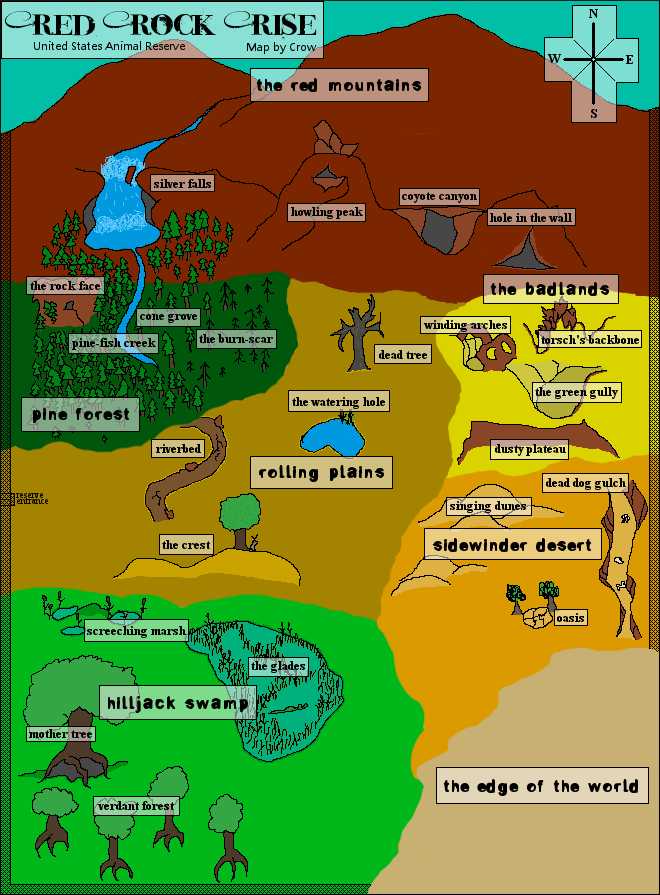
Sang City // Red Rock Rise
WEATHER 101° F Boiling temperatures have brought in the Summer with a sizzle. Rocks, pavement, asphalt, even dirt at this point, are nearly scalding to the touch. Be careful where you walk. The grass is beginning to brown as the beginning of what appears to be a drought looms. With no clouds to be seen, the sun can easily scorch one's skin, even through their pelt. Prey numbers are concentrated around water sources due to the heat. The forecast calls for drought. Breeding is not allowed in this season. This is not a birthing season. The weather will change 7/12 
summer, 2015
season change 7/19
est. 2011
semi-realistic
wolf & dog
rp
optimized for your roleplaying pleasure
Updates,
06.08.2015 - crow.
--- Our first severe weather event is happening now. Massive storm cells have moved over both the reserve and the city, making it foolishly dangerous to go outside. Have fun this week with the crazy weather! In other news; The staff auditions have come to a close, and the results have been posted. See the Announcements board for more information! There will be IC events happening at the beginning of next week, once the storms pass, so ready your characters for the chance to not only feast, but for the chance to win some items! 06.01.2015 - crow. --- The activity check is over, and we've survived! All accounts who were not accounted for (see what I did there?) during the activity check have been deleted. We never like to see members leave, but, sometimes, it is a necessity. But, on to a brighter note! The advertising contest went off with a bang! It was a close race, and we had some massive efforts put in by the participants. In the end, 103 sites were advertised on. Talk about spreading the word! The winners have been posted, and they have until 6/3 to claim their rewards. Skittle on over to the contest board to read more. In other exciting news, the raffle has ended as well. The winning wolf and dog will be drawn and announced at 12pm EST today, so be watching! Who knows what mysterious 'prizes' they will have won... 05.25.2015 - crow. --- Welcome to the new year, everyone! It seems we've been able to survive a pretty harsh Winter, and now Spring is here to lighten our mood! With the new year comes the aging of characters! Don't forget to update their logs that they are now one year older. As hinted about in the previous update, there are some exciting secret events that are going to be popping up shortly. Don't miss your chance for this sharp upgrade ;D Head on over to the Announcements board to enter your characters into the raffle! 05.13.2015 - crow. --- Hello, once again! I have some exciting news, and this update is gonna be a lengthy one, so bust out your reading glasses 8D First of all, we have a new store! Well, a new plugin for the store. Which is basically a new store, given that it's so radically different, while somehow still being the same. Go ahead, check the announcements board for more information. Or, if you're feeling really adventurous, just click on the button in your top navigation bar labeled 'WTMS' SHOP.' We have 132 items, and I haven't even added the plants yet! Second, the end of our first IC year is fast approaching! How awesome is it that our characters have been here for an entire year? I think this calls for a celebration! In the last week of the season, there will be some pretty awesome IC events you will definitely want to get in on. Also, as part of a new effort to keep the boards free of stale/inactive threads--and just to keep things tidy because I like tidy things--all finished and inactive threads will be archived at the end of each IC year. And, last, but certainly not least, there have been rumors flying around both Sang City and Red Rock Rise. In the Suburbs of the city, a few dogs have gone missing, only to reappear a few days later, but... changed. On the reserve, some wolves have reported spying a lone wolf living in the far reaches of the Red Mountains. Those who seek it out aren't themselves when they return. What could these rumors be? Are the sightings fact, or fiction? Some are whispering that, come Spring, the truth will be revealed... Events,
None -
There are no events currently. Why don't you suggest one? :D
|
|
|
||||||||||
|
|
|
|
||||||||||
|
|
||||||||||
|
|
|
|
||||||||||
|
|
||||||||||
|
|
|
|
||||||||||
|
|
||||||||||
|
|
|
|
||||||||||
|
|
|
|
||||||||||
|
|
||||||||||
|
|
|
||||||||||
|
|
|
|